August 26, 2026
Vehicle body damage can happen in many ways, from major collisions to everyday incidents that leave dents, scratches, or damaged panels. Even minor exterior problems can affect appearance, resale value, and protection against moisture or corrosion if they are left unaddressed. Understanding what commonly causes damage can help drivers recognize risks and respond appropriately when something happens. Professional auto body repair services can evaluate the condition of damaged panels, paint, trim, and structural components and determine what type of repair may be needed. By knowing the most frequent sources of body damage, vehicle owners can also take practical steps to reduce avoidable problems and keep their cars looking and performing their best.
1. Experiencing Vehicle Collisions
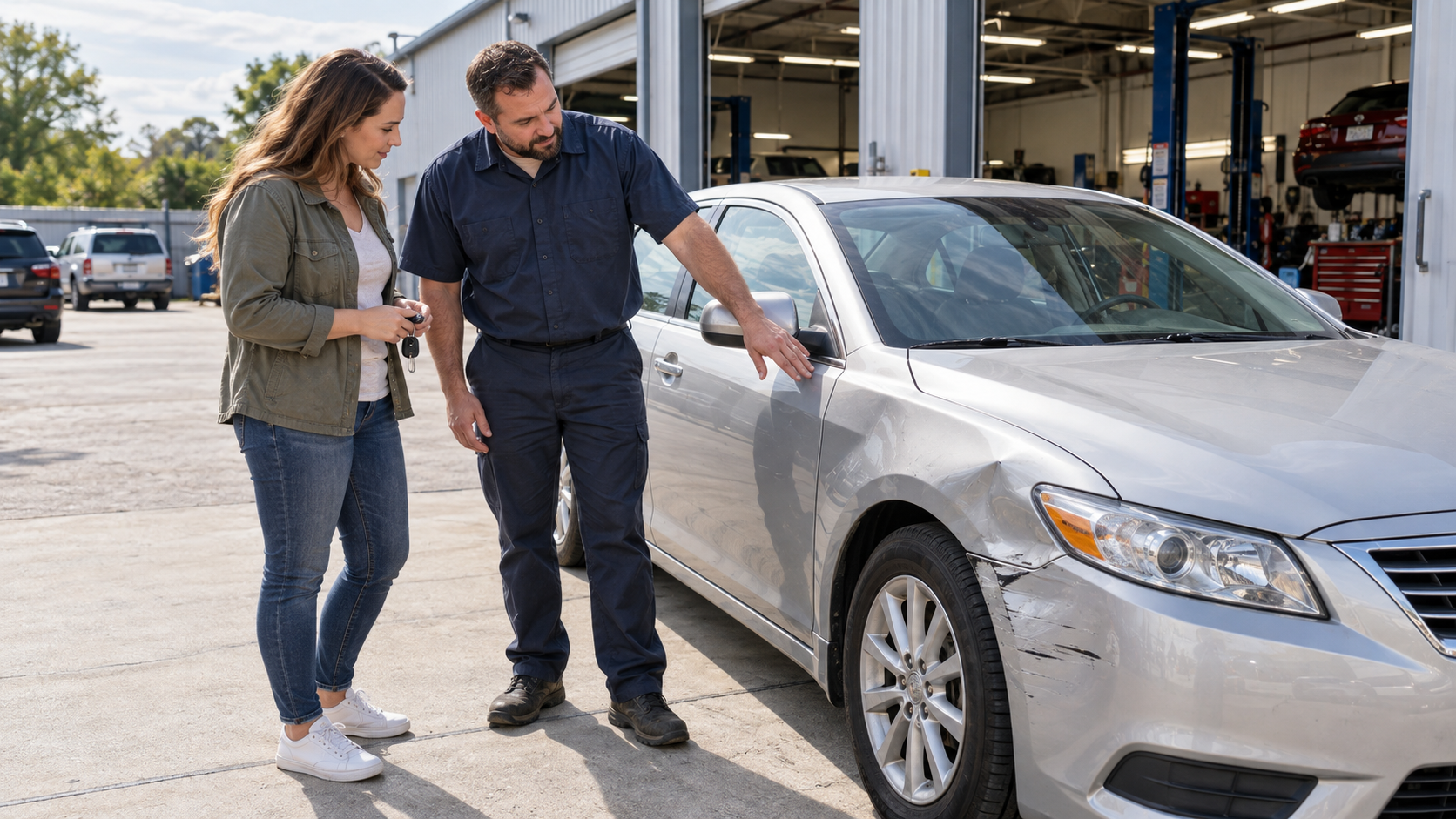
Traffic accidents are among the most obvious causes of auto body damage. Even low-speed collisions can dent bumpers, bend fenders, crack lights, damage paint, or affect alignment between exterior panels. Higher-speed crashes can cause more extensive damage to doors, quarter panels, hoods, trunks, and structural areas beneath the visible surface. Because some problems are hidden behind body panels, the full extent of collision damage may not always be obvious immediately after an accident.
According to Gitnux, over 40% of vehicle owners delay necessary car repairs because of concerns about the expense. Delaying repairs after a collision can allow certain problems to worsen, particularly when damaged paint leaves metal exposed or exterior components are loose. Auto body repair services can inspect damaged areas, identify visible and concealed issues, and determine which panels may be repaired or replaced.
2. Encountering Parking Lot Accidents
Parking lots are a common setting for dents, scratches, and bumper damage because vehicles operate close together in relatively tight spaces. A driver may misjudge a parking space, clip another vehicle while backing out, or strike a post, curb, or shopping cart. Even when speeds are low, contact with another object can leave noticeable cosmetic damage that affects the overall appearance of the vehicle.
Door dings are another frequent parking lot problem. A neighboring driver or passenger may open a door too far and strike the side of another vehicle, leaving a small dent or chipped paint. Auto body repair services may be able to address these types of damage through panel repair, refinishing, or other techniques depending on the severity. Parking farther from crowded entrances and choosing wider spaces when available may help reduce exposure to these risks.
3. Experiencing Severe Weather Damage
Storms can damage vehicles even when they are not being driven. Hail can create numerous dents across the roof, hood, and trunk, while strong winds may send branches, signs, or other debris into exposed vehicles. Heavy snow and ice can also place stress on exterior surfaces or lead to falling objects from nearby trees and structures. Severe weather damage can range from small cosmetic marks to broken glass and deeply dented panels.
After a major storm, drivers should inspect their vehicles for damage in good lighting. Small dents and paint chips may be easier to see from different angles, and broken finishes can leave metal exposed to moisture. Auto body repair services can assess whether dents, scratches, or other storm-related damage require repair and refinishing. When severe weather is forecast, parking in a garage or covered area can provide valuable protection when that option is available.
4. Striking Road Debris and Objects
Debris on the road can cause body damage with very little warning. Stones thrown by other vehicles may chip paint, while pieces of tire, construction material, branches, or other objects can strike bumpers, rocker panels, doors, and lower body areas. Drivers may also encounter potholes, curbs, or objects that are difficult to avoid in traffic. The resulting damage can include scratches, dents, cracked trim, or loose exterior components.
Some road debris damage may appear small but should still be evaluated when paint has been removed or a panel has been significantly dented. Exposed metal can become vulnerable to corrosion, while loose trim may worsen with continued driving. Auto body repair services can determine whether a damaged area needs minor refinishing or more extensive panel work. Maintaining a safe following distance can sometimes reduce the chance of being struck by debris thrown from vehicles ahead.
5. Scraping Against Stationary Objects
Garages, posts, walls, fences, and drive-through structures can all cause body damage when a vehicle passes too close. These incidents often happen at low speeds, but the resulting scratches and dents may extend across more than one panel. Side mirrors, bumpers, doors, and quarter panels are particularly vulnerable because they can make contact with objects that are difficult to judge from the driver’s seat.
Scrapes may remove clear coat and paint in addition to leaving visible dents. When damage reaches the underlying metal, prompt repair can help reduce the chance of rust developing. Auto body repair services can evaluate the depth of scratches and the condition of the panel beneath them. Using mirrors carefully, moving slowly through tight spaces, and becoming familiar with a vehicle’s dimensions can help drivers avoid some of these incidents.
6. Experiencing Damage From Falling Objects
Vehicles parked outdoors can be damaged by objects falling from trees, buildings, or nearby structures. Tree limbs are a common example, particularly during storms or when branches are weakened by age, disease, or heavy snow. Tools, construction materials, roof debris, and other objects can also fall onto vehicles in certain locations. Depending on the weight and height of the object, damage may affect the roof, hood, windshield, or other exterior panels.
Falling-object damage can sometimes be more serious than it first appears. A dented roof or hood may also have damaged supports, paint, glass, or surrounding trim. Drivers should avoid attempting to push out severe dents without knowing what is beneath the panel. A professional inspection can help identify the full scope of the problem and determine whether repair, replacement, refinishing, or additional work is appropriate.
7. Developing Scratches From Everyday Contact
Not all auto body damage comes from dramatic accidents. Everyday activities can gradually create scratches and marks on a vehicle’s finish. Keys, bags, bicycles, pet claws, car-wash equipment, bushes, and improper cleaning tools can all affect paint. Even dirt on a cloth can create fine scratches when rubbed across the surface. Over time, repeated minor contact can make the finish appear dull or worn.
Careful washing and parking habits can help reduce avoidable surface damage. Drivers should use cleaning products and tools designed for automotive finishes and avoid dragging objects across painted areas. When scratches are deep enough to penetrate the clear coat or paint, professional assessment may be worthwhile. Addressing damaged finishes can help preserve appearance while reducing the chance that moisture reaches exposed metal beneath the paint.
Auto body damage can result from collisions, parking lot incidents, severe weather, road debris, stationary objects, falling materials, and ordinary daily contact. While some problems are mainly cosmetic, others can affect paint protection, panel alignment, or underlying components. Prompt attention can help prevent smaller issues from becoming more difficult to correct, especially when bare metal or structural damage is involved. Professional auto body repair services can evaluate the affected areas and recommend an appropriate approach based on the type and severity of the damage. If your vehicle has dents, scratches, collision damage, or other exterior concerns, contact Bodylines, Inc for professional assistance.