July 13, 2026
Regular car maintenance is crucial for vehicle safety, efficiency, and longevity. Neglecting essential services can lead to costly repairs or even dangerous situations on the road. Therefore, understanding and prioritizing these services is vital for every car owner. Regular maintenance ensures that each component of the car functions optimally, thus reducing the risk of unexpected breakdowns. This article will delve into the most important car services, providing insights into their importance and how to incorporate them into a regular maintenance schedule.
1. Oil and Filter Changes
1.1. Importance of Regular Oil Changes
Regular oil changes are essential for maintaining engine health. Engine oil lubricates the moving parts, preventing friction and overheating. Over time, oil breaks down and becomes contaminated with particles and debris, reducing its effectiveness. Regular changes help in maintaining fuel efficiency and preventing expensive engine repairs. Therefore, staying consistent with oil change schedules is crucial for vehicle performance.
1.2. Types of Engine Oils
There are several types of engine oils, each designed for different vehicle needs. Conventional oil is derived from crude oil and is suitable for older models of cars. Synthetic oil offers better performance in extreme temperatures and provides more protection against deposits. High-mileage oil is formulated for vehicles with over 75,000 miles to reduce oil consumption and seal leaks. Choosing the right type of oil can significantly impact vehicle efficiency and engine health.
1.3. Frequency of Oil and Filter Changes
The frequency of oil changes varies based on vehicle type and usage. Some manufacturers recommend oil changes every 3,000 miles, while others suggest intervals of up to 7,500 miles. It is crucial to follow the manufacturer's recommendations to avoid engine damage. Heavy-duty use, such as towing and frequent short trips, might require more frequent changes. It is advisable to monitor oil levels and seek professional advice if unsure.
1.4. Signs Your Car Needs an Oil Change
There are several indicators that a car needs an oil change. If the engine starts making unusual noises or feels rough, it might be time for an oil check. A dashboard oil light is a direct indicator of low oil levels or pressure. Dark and dirty oil can also be a sign that replacement is overdue. Reduced fuel efficiency is another symptom that your vehicle's oil may not be performing optimally. Regular inspections prevent unexpected engine problems.
1.5. How to Choose an Oil Filter
Choosing the right oil filter is as important as selecting the right oil. The oil filter traps contaminants, ensuring clean oil circulates in the engine. It is crucial to select a filter compatible with your vehicle's make and model for optimal performance. High-quality filters offer better filtering capabilities, which is vital for maintaining engine health. Seeking professional advice can ensure the right choice and cleaner engine oil.
2. Brake System Maintenance
2.1. Overview of the Brake System
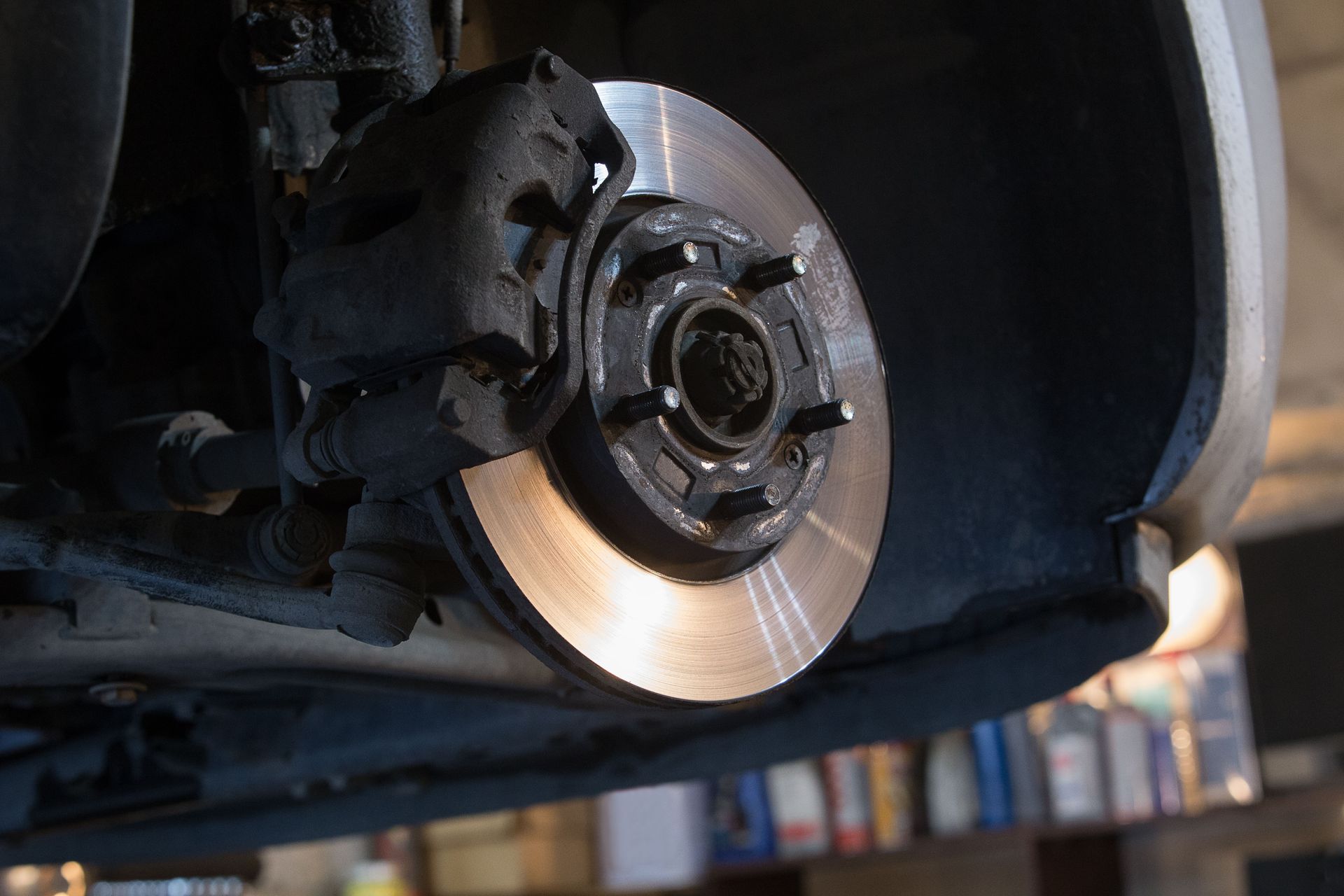
The brake system is one of the critical safety features of a vehicle. It comprises components such as brake pads, rotors, calipers, and the brake fluid. These components work together to slow down or stop the vehicle. Regular checks ensure that all parts are functioning correctly, preventing accidents. Maintaining the brake system is essential for safe driving and avoiding costly repairs.
2.2. Importance of Brake Fluid Changes
Brake fluid is vital for the hydraulic pressure needed to operate the brakes. Over time, it can absorb moisture from the air, leading to reduced effectiveness. Old or contaminated brake fluid can cause corrosion and leaks in the brake system. Regular fluid changes prevent these issues and ensure reliable braking performance. Adhering to the manufacturer’s recommended change intervals is essential for maintaining optimal safety.
2.3. Signs of Worn Brake Pads
Recognizing when to replace brake pads is crucial for safety. Squeaking or squealing noises when braking often indicate worn pads. A deep grinding sound can mean that the pads are extremely worn and might damage the rotors. Reduced braking response and a vibrating brake pedal can also signal pad wear. Timely inspection and replacement of brake pads help maintain safe braking conditions. Regular monitoring can prevent extensive damage and costly repairs.
2.4. Assessing Brake Rotors
Brake rotors play an essential role in the stopping process. They must be free of distortions or damage to function effectively. Signs of rotor problems include vibrations while braking and visible grooves or scoring on the rotor surface. Regular checks can detect any warping or damage, allowing for timely replacements. Professional assessment is recommended for accurate diagnosis and repair, especially if you are inexperienced.
2.5. Professional vs. DIY Brake Checks
Deciding between professional and DIY brake maintenance depends on various factors. While some minor tasks can be done at home with the right tools, more complex issues should be handled by professionals. Professional inspection ensures thorough checking and the correct execution of any necessary repairs. DIY checks are cost-effective but require correct knowledge and skills to avoid mistakes. Safety should always be the top priority when considering brake maintenance options.
3. Tire Maintenance
3.1. Importance of Tire Rotation
Tire rotation is an essential aspect of tire maintenance. Regular rotation promotes even wear across all tires, extending their lifespan. It involves moving tires from one position to another to balance wear patterns. Consistent rotation contributes to better fuel efficiency and improved vehicle handling. Most manufacturers recommend tire rotation every 6,000 to 8,000 miles, aligning with routine oil changes for convenience.
3.2. Proper Tire Inflation
Keeping tires adequately inflated is crucial for safety and efficiency. Under-inflated tires can lead to increased fuel consumption and premature wear. Over-inflation, on the other hand, may cause a harsher ride and make tires more susceptible to damage from road hazards. Monitoring tire pressure regularly helps maintain proper inflation levels. It is advisable to check tire pressure at least once a month and before long trips.
3.3. Tread Depth and its Significance
Tread depth is vital for maintaining traction, especially in wet conditions. Insufficient tread can lead to decreased grip and increase the risk of hydroplaning. It is crucial to measure tread depth periodically and replace tires when needed. Many experts recommend replacing tires when the tread depth falls below 2/32 of an inch. Using a tread depth gauge can provide accurate measurements for timely replacements.
3.4. Balancing and Alignment of Tires
Tire balancing and wheel alignment are essential for smooth driving. Balancing prevents vibrations caused by uneven tire weight distribution. Proper alignment ensures that the car handles correctly and prevents irregular tire wear. Misalignment can also cause poor fuel economy and increased tire wear. Regular checks and adjustments can maintain alignment and balance, contributing to safer and more comfortable driving.
3.5. Recognizing Uneven Tire Wear
Uneven tire wear can indicate underlying issues that need addressing. Causes may include alignment problems, improper inflation, or suspension issues. Recognizing patterns, such as cupping or feathering, can help diagnose the problem. Regular tire inspection aids in identifying and correcting the cause of uneven wear. Addressing these issues promptly can prevent further damage and costly repairs.
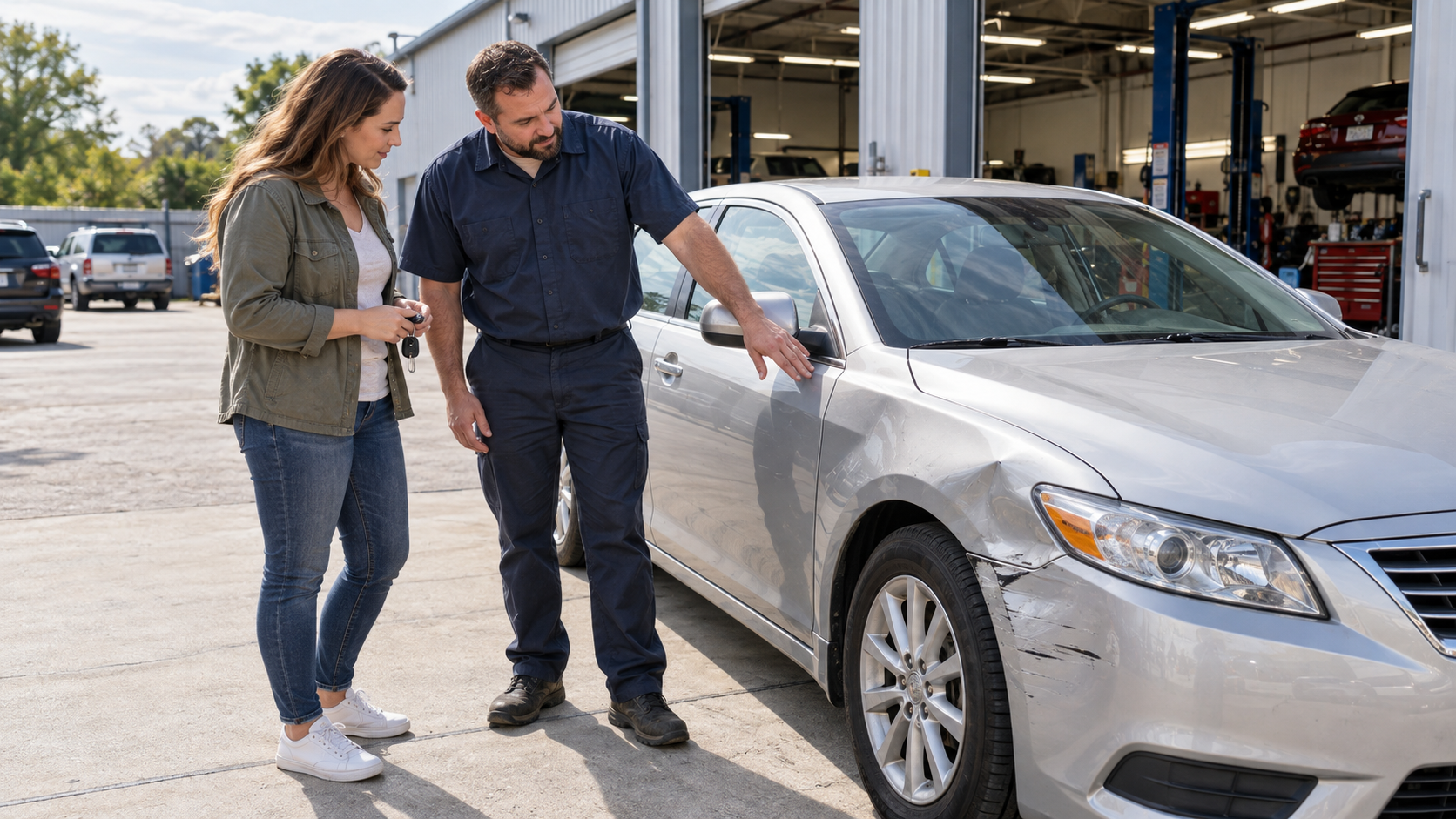
In conclusion, essential car services are crucial for maintaining vehicle performance and safety. Regular maintenance ensures longevity and efficiency, preventing unexpected breakdowns. Prioritizing vital services like oil changes, brake checks, and tire maintenance is a smart investment. By addressing issues proactively, car owners can enjoy a smooth and safe driving experience. Commitment to regular maintenance contributes to peace of mind and financial savings. According to Gitnux, more than 40% of car owners put off having car repairs due to cost concerns. Be sure to reach out to Bodylines, Inc today to learn more about our professional auto body repair service!